
Reviewed · EASTERN ALGARVE & MARKET TOWNS
Faro and Estói
Faro and Estói mix coast views with old Roman stone in one smooth half-day. I love how the route packs Roman Milreu ruins and Faro’s historic center into a small, doable window without feeling rushed. You also get a real feel for the Algarve lifestyle—from white village streets in Estói to the sea-driven rhythm of Faro.
My favorite surprise is how the sites connect to the land and water. Milreu’s mosaics link to long-ago trade, while Faro’s harbor life ties directly to the Ria Formosa. One thing to know up front: this is not a sit-everywhere tour. There’s quite a bit of walking, so it’s best if your legs are okay for uneven ground.
You’ll start with pickup from your Albufeira hotel and spend about 6 hours total, with a private group just for you. The day is timed for good conditions, and sunscreen is not optional. If you’re hoping for minimal steps and mostly indoor stops, you may feel the pace.
In This Review
- Key Highlights You’ll Care About
- How the Albufeira Pickup Turns This Into an Easy Day
- Milreu Roman Ruins: Marine Mosaics and a Peristyle With 22 Columns
- A small practical caution
- Estói Village and the Palace Gardens That Change the Mood
- Where Estói is strongest (and where it’s not)
- Faro’s Historic Center: Walls, Marina Channels, and Ria Formosa Life
- Practical tip for Faro time
- Food and the Mediterranean Diet Angle You Can Actually Use
- Price and Value: Why $144-ish Can Make Sense Here
- Pace and Comfort: What to Expect When You Walk Faro and Estates
- A Word on the Guide Style (and Language-Friendly Moments)
- Who Should Book Faro and Estói
- Should You Book Faro and Estói?
- FAQ
- FAQ
- How long is the Faro and Estói tour?
- Is pickup included from Albufeira hotels?
- What time does the tour start?
- Is this tour private?
- What’s included for admissions?
- What language is the tour offered in?
- Is it suitable for people with limited mobility?
- What if the weather is bad?
Key Highlights You’ll Care About
- Milreu’s mosaics and peristyle: See a villa site with marine-themed mosaics and a central courtyard framed by 22 columns.
- Estói’s village charm: Whitewashed houses, chimneys, and small gardens keep the Algarve look intact.
- Late-Romantic palace gardens: Staircases, lakes, plus marble and ceramic sculptures give you a very different vibe from the ruins.
- Faro’s coast-and-wildlife setting: Narrow channels, marsh habitats, and seabirds in the Ria Formosa Natural Park area.
- Private tour energy: Only your group participates, which usually means fewer waiting moments and better timing for photos and questions.
How the Albufeira Pickup Turns This Into an Easy Day
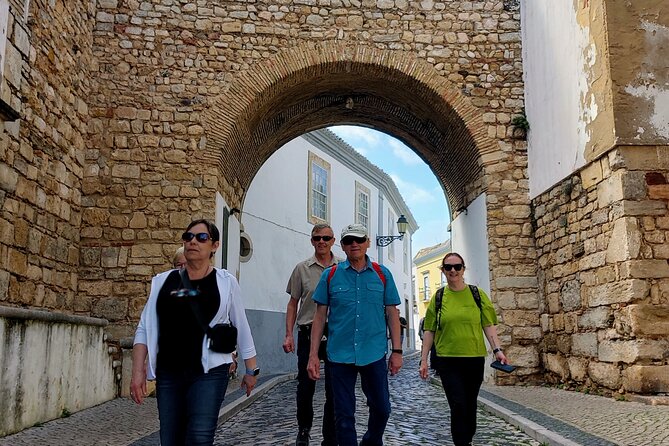
This tour is built for people staying around Albufeira. You get round-trip transfers from your hotel, so you don’t have to solve parking or public-transport timing. It starts at 9:30 am and runs for about 6 hours total, ending back where you meet at Albufeira.
Because it’s a private tour, the schedule feels less like a conveyor belt. You can ask questions when something catches your attention, and your guide can adjust the pace to your group. Still, be ready for walking: the tour info flags that it’s not for people who can barely walk, and even those with moderate fitness should plan for steps.
Also, plan for sun. Faro and the surrounding countryside can be bright, and hat and sunscreen are strongly recommended. Bring water if you like to pace yourself, and wear shoes that can handle museum-ground paths and outdoor uneven surfaces.
See more outings east to Faro, Tavira and the market towns past Albufeira.



Milreu Roman Ruins: Marine Mosaics and a Peristyle With 22 Columns
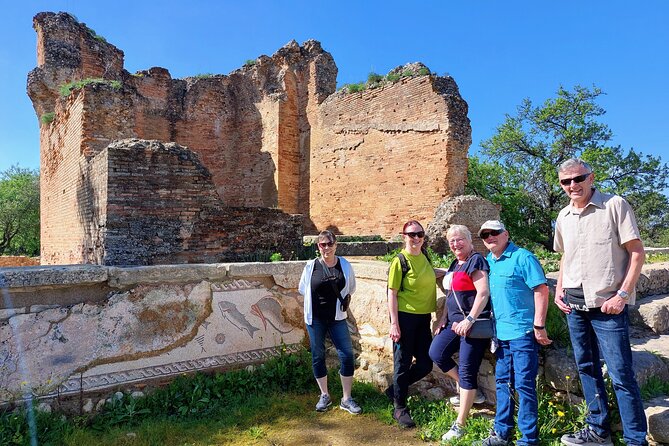
Milreu is the kind of stop that makes you slow down, because it’s not just a few walls. It’s a rustic Roman villa complex that was built in the 1st century AD and restored in the 3rd century AD. You’re looking at a manor house plus agricultural areas, a bathhouse, and a temple—so you get the feel of how daily life worked, not just what elites enjoyed.
What makes it really worth your time is the layout. The residential area uses part of the older villa and centers on a peristyle—a colonnaded space—surrounding an open courtyard. The peristyle is described as having 22 columns, which is a detail you can actually use when you’re orienting yourself on-site. When you can picture the courtyard arrangement, the place stops feeling like random ruins and starts feeling like a functioning home base.
Then there are the mosaics. You’ll see decoration described as mosaics of Tunisian origin, featuring marine fauna. That’s a fascinating detail because it hints that this wasn’t an isolated backwater. Materials and artistic styles moved through the Mediterranean, and you can see that connection in what you’re standing on.
Admission ticket is included, and the time on-site is around 30 minutes. That’s enough to see the main features if you’re engaged, but not enough to read everything slowly like a documentary. If you like photos, take a moment early to find good angles before the group shifts on.
A small practical caution
Ruins can be uneven and exposed. If you’re sensitive to sun or heat, go slower at the beginning while you still have energy, and keep your hat on. If the day is hot, you’ll feel it more at outdoor stone sites than you would in a sheltered museum.
Estói Village and the Palace Gardens That Change the Mood
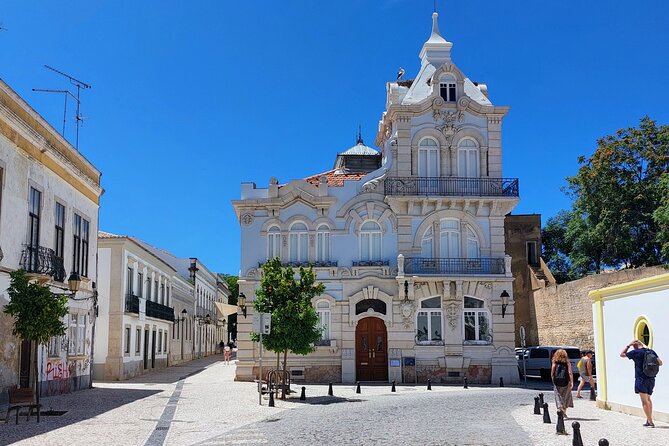
Estói is where the day relaxes. The village keeps the Algarve look: whitewashed houses, chimneys, and little gardens with trees and flowers. Even without deep historical interpretation, the visual texture helps you feel where you are. It’s the kind of place where you can step off the main route for a few minutes and notice how people still live among the architecture.
The village also gets a big reason for why settlement stuck: the soil quality and the availability of rich water sources. That matters because it explains why a place grows over time. Estói isn’t just a pretty stop. It’s a practical location, shaped by what the land could support.
Your guided time here is about 30 minutes, and you’ll have a free admission for the palace gardens area. The gardens are late-Romantic in style and set up in plans with staircases and lakes, plus marble and ceramic sculptures. This is a different kind of discovery compared with Roman stone: instead of explaining ancient building techniques, you’re noticing design choices—how water features and sculptural elements lead your eye.
Where Estói is strongest (and where it’s not)
Estói is strongest if you like strolling and taking in details. It’s not built as a long, lecture-heavy stop. On the other hand, if you prefer hands-on or strongly interactive experiences, this part may feel more visual than activity-based. It’s still very satisfying—just choose the pace that fits your style.





Faro’s Historic Center: Walls, Marina Channels, and Ria Formosa Life
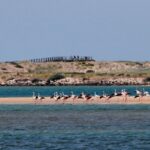
Then you roll into Faro, and the atmosphere shifts again—toward sea air and everyday routines. Faro sits on the coast with shallow lagoons connected to the Ria Formosa Natural Park. The tour description points out a protected setting, and you feel that protection when you look out at the marshes and channels.
Faro’s historic center is surrounded by ancient city walls, and the Roman name Ossonoba is mentioned. That’s a useful framing while you walk, because it gives meaning to the streets and older structures instead of treating them like background scenery.
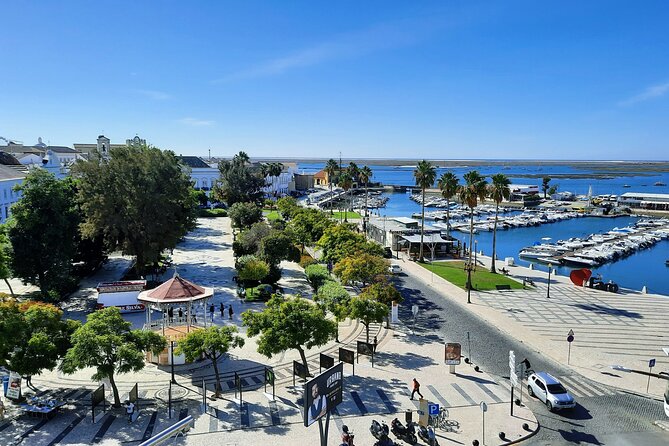
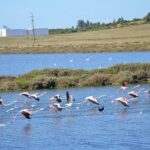
The harbor area is where you’ll notice the living connection to water. From the marina, fishing boats and pleasure craft move along narrow channels winding toward the open sea. Along the way, you pass dense marshes and small islands. These marshes are described as important European habitats that attract seabirds and wildlife. Even if you don’t spot a huge number of birds at every moment, the point is that this region is part of a real ecosystem, not just a pretty view.
You also get time to enjoy Faro like a normal coastal town. The harbor esplanade has cafes as gathering places, and the area is known for traditional restaurants and budget-friendly shopping. And of course, beaches sit in the background as a leisure option if you still have energy afterward.
Practical tip for Faro time
You’ll have about 2 hours 30 minutes here, and admission is free for what’s included during this segment. That duration works well for a mix of guided context and personal wandering. Use it to do two things: get your bearings quickly with your guide’s orientation, then step away for a short self-paced walk.
If you want photos, think about light. Early in the visit can be easier for monuments and streets, while harbor views often look great when you can catch boats moving through the channels.
Food and the Mediterranean Diet Angle You Can Actually Use
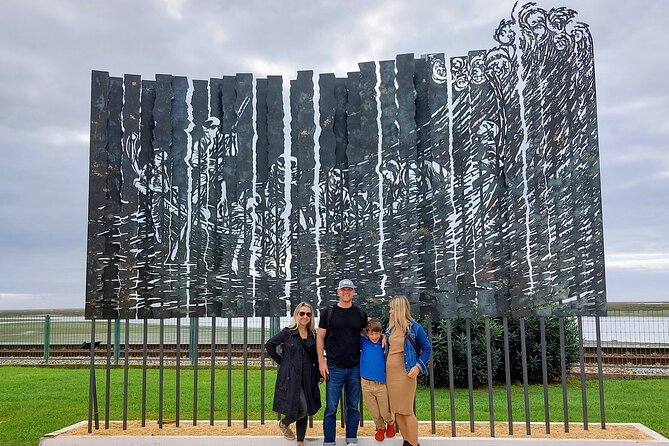
One of the highlights is learning about local gastronomy shaped by a Mediterranean diet. Faro’s food story is strongly tied to the Ria Formosa, especially shellfish. That’s not just a marketing line. It’s the reason Faro’s dishes taste like the coast.
If you’re choosing what to order, use the Ria Formosa link as your shortcut. Ask for shellfish-based options that fit the season, and you’ll be steering yourself toward the local identity instead of a generic menu.
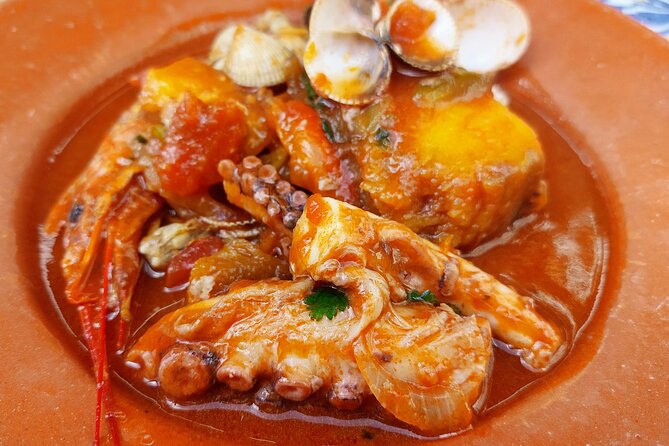
The tour’s description emphasizes shellfish from the lagoon area as unique and one of the best in Portugal. Whether you go big or keep it simple, this tour helps you understand why local seafood tastes the way it does here. You’ll also have time in Faro to put that knowledge into action at traditional restaurants.
Price and Value: Why $144-ish Can Make Sense Here
At around $144.49 per person, this tour may feel like a half-day splurge—but the value is in the combination.
You’re paying for:
- Pickup and round-trip transfers from your Albufeira hotel
- A structured route that includes Milreu Roman ruins with an included ticket
- Estói and Faro time with admission not required (as described)
- A private tour model, which usually means less waiting and more flexible pacing for your group
If you tried to piece this together yourself, you’d likely spend time coordinating transport and still need to figure out what to prioritize. Here, the guide handles the order: Roman villa first, then a charming village, then the coast-and-harbor atmosphere of Faro. That sequencing makes sense because it naturally moves from deep antiquity to gardens to present-day maritime life.
Group discounts are listed too, which helps if you’re traveling with friends or family and want everyone to share the cost. And the tour includes a mobile ticket, which is useful if you don’t want paperwork.
Pace and Comfort: What to Expect When You Walk Faro and Estates
The tour runs about 6 hours, and it’s very likely you’ll do more walking than you would on a mostly seated sightseeing bus day. The info flags a moderate physical fitness level and says it’s not recommended if you can barely walk. That warning is there for a reason: Milreu and Faro both involve outdoor paths and uneven surfaces, and Estói includes village walking.
Wear comfortable shoes. Don’t rely on flip-flops. Bring sunscreen and a hat, since the route mixes outdoor exposure. If you’re prone to overheating, plan to slow down for a few minutes at each stop instead of pushing through.
On the plus side, because it’s private, you should be able to take small breaks without feeling like you’re holding everyone up.
And there’s one more comfort factor: the tour is offered in English, which matters if you want a smooth conversation and clear interpretation while walking.
A Word on the Guide Style (and Language-Friendly Moments)
A detail that stands out from the experience feedback: the guide Gabriel was described as friendly and attentive, even when language barriers appeared. That kind of approach matters on walking tours, because you’re not just looking at stone—you’re trying to understand why it matters.
When a guide keeps communication calm and responsive, you get more from each stop. You also feel better asking questions, especially when you’re trying to connect Roman Milreu to the way Faro works today.
You’ll get better value from the tour if you show up curious and ask simple questions:
- What should I watch for in the mosaics?
- Why are the canals important here?
- What’s the best thing to try in Faro that matches the lagoon seafood story?
Who Should Book Faro and Estói
This tour is a great match if you:
- Want one day that covers Roman ruins, a charming village, and Faro’s coastal identity
- Like guided context but still want time to wander on your own
- Are comfortable with walking and want a hands-on, outdoorsy sightseeing style
- Travel in a group and like the idea of a private format
Skip it if you:
- Need a mostly seated experience
- Struggle with walking for outdoor segments and uneven ground
- Are sensitive to strong sun and don’t plan for hat/sunscreen
It’s also ideal for travelers staying around Albufeira who don’t want the hassle of organizing transport to multiple sites.
Should You Book Faro and Estói?
I’d book this if you want an efficient, meaningful day trip that doesn’t feel like a checklist. The biggest win is the way the tour connects three different textures of the Algarve: Roman life at Milreu, garden-and-village beauty in Estói, and real maritime culture in Faro tied to the Ria Formosa.
You’ll pay more than a barebones group coach tour, but you’re getting hotel pickup, admission coverage for the key ruin site, and the advantages of a private group. Add in the English-speaking guide approach, including the friendly, attentive style associated with Gabriel, and you have a solid recipe for a pleasant half-day.
FAQ
FAQ
How long is the Faro and Estói tour?
It’s listed at about 6 hours total.
Is pickup included from Albufeira hotels?
Yes. Round-trip transfers from your Albufeira hotel are included.
What time does the tour start?
The start time is 9:30 am.
Is this tour private?
Yes. It’s private, and only your group participates.
What’s included for admissions?
The Roman Ruins of Milreu include an admission ticket. Estói (Palace gardens) admission is free, and Faro admission is free as described.
What language is the tour offered in?
It’s offered in English.
Is it suitable for people with limited mobility?
It has a note for moderate physical fitness and says it’s not recommended for people who can barely walk, since there are quite a few walking parts.
What if the weather is bad?
The experience requires good weather. If it’s canceled due to poor weather, you’ll be offered a different date or a full refund.
More Tour Reviews in Albufeira
More Eastern Algarve & Market Town Runs from Albufeira



Not quite the one? Here is more to do around Albufeira that we have been out and reviewed









Eastern Algarve & Market Towns, compared.
 ★ 4.5Full-Day Tour Eastern Algarve FinestFrom $78115 reviews
 ★ 4.5Rio Guadiana River CruiseFrom $7558 reviews
 ★ 5.0Bike rental Vilamoura QuarteiraFrom $2954 reviews
 ★ 4.5Fatima Day Tour from AlgarveFrom $8321 reviews
 ★ 4.0Authentic Algarve: Loulé Town Tour and MarketsFrom $1919 reviews
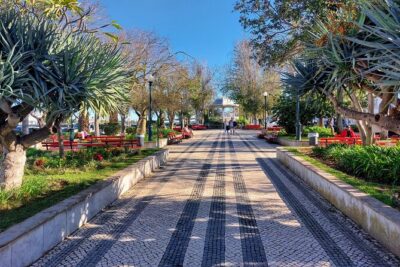 ★ 5.0Faro and Tavira – PrivateFrom $15615 reviews
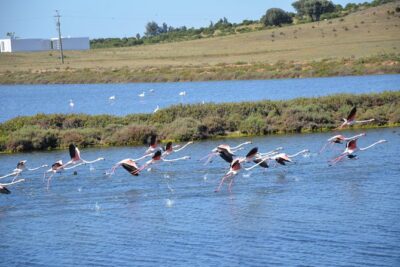 ★ 4.5Full Day Moorish Trail TourFrom $9914 reviews
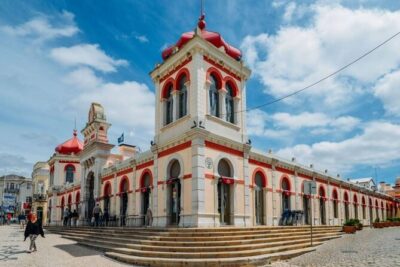 ★ 4.5Loulé Market and Town Half-Day Bus Round Trip from AlbufeiraFrom $2214 reviews
Browse the lists this tour appears in